Friday, January 11, 2019

What not to do: Make Aliyah from within Israel.
(A Blog Post from 2015)


Countless people encouraged me to fly to the states and make Aliyah from there. I didn’t listen. I took it as a challenge. While I did inevitably make Aliyah, and accomplish most of what I needed to, it was a Pyrrhic victory. I honestly had no idea how hair-pullingly frustrating getting anything done in Israel can be.

I was told internal Aliyah would require me to deal with bureaucracy and take a lot of my time. I thought, I’m not working for the next month, I’ll have time. Making Aliyah from Israel, in August, turned out to be one of the worst things I have ever done. It is now November and I am still not finished with everything. If you do choose to make Aliyah from within Israel here are some tips…

1. Make Aliyah before August and after October. All of Israel shuts down for the holidays. If you are not careful you could be waiting for over a month for appointments.

2. Make several appointments with your local Misrad Haklita (Ministry of Absorption). I made Aliyah August 3rd and was not able to get an appointment until October 14th because of the holidays.

Pre-booking is important. I was not able to make an appointment until after I received a Teudat Zehut number. As soon as you receive that number make three appointments. You may not need them all but it can’t hurt. The first and second should be as close to your Aliyah date as you can manage. During the first appointment you will be getting your Teudat Oleh, Health Insurance voucher, and filling out bank information for your absorption package. I was then told I needed a second appointment to receive the ulpan voucher. The third appointment should be a month and a half after the first. If there are any complications with your Sal Klita or miscellaneous issues you will probably find out about them then

3. Already have a bank account set up with using your passport information. You will be able to go in and have the account information changed to your Teudat Zehut after.

4. If you are looking to take ulpan make sure you have found one in your area and spoken to them. See when the classes start and if they require an entrance placement test.

And

5. Make sure you have health insurance coverage for the in-between period. It will take at least a week after making Aliyah before you get the form, submit it, and have them recognize it. After you register with a kupat holim you will want to go in and get a health insurance card.


Tuesday, December 31, 2013

Yom Sylvester - Israeli New Years

What is Yom Sylvester? Today many young Israelis are getting ready to stay up late, meet up with friends and celebrate Sylvester, but what is it? If you’re in the northern hemisphere, January 1st means the jackets are out, heaters are on, and there may be snow on the ground. Traditionally this day has held significance since the 4th century, commemorating the death of Sylvester, a saint, a pope, and a man who has been largely forgotten in the annals of history. Sylvester has become a holiday celebrated around the world and over the years has lost most of its religious connotations. Now both Rosh Hashanah and the Christian New Year inspire people to examine where they are and where they want to be. So wherever you are celebrating tonight, we wish you a wonderful New Year and hope that you keep at least some of your resolutions.

Wednesday, February 27, 2013

Israeli Radio


Tired of hearing the same songs on every station?  Today’s car rides are an exercise in monotony, but they don’t have to be. With satellite radio we are no longer limited to whatever station gets the best reception, so we might as well tune into an Israeli station and see what we’re missing. Israeli radio has a way of finding songs that you love but would never put on your ipod.

Listening to the radio in Israel is an experience. Most radio stations in Israel feature an eclectic mix of music from every generation. Modern pop music is followed by Golden Oldies and rockin’ hits from the 80’s. One of the most popular radio stations in Israel is Galgalatz, a station operated by the Israeli Defense Force that plays nonstop music and traffic reports. Galgalatz gives back to the IDF soldiers by hosting an hour long playlist created by different units every day. Tune in and find yourself taking the longer commute to work because you don’t want to miss that song you didn’t even realize you wanted to hear. tunein.com/radio/Galgalatz-918-s68320/
Image Source: http://bit.ly/11OxzrE

American radio can learn a thing or two from Israel.

Tuesday, February 19, 2013

Keeping Active in Israel


With over 300 days of sunshine a year, Israelis always feel the need to be "beach ready," a feat made easier by workout gyms that are almost as prevalent as coffee shops in Tel Aviv. Perhaps even more enticing for serious athletes are city-sponsored events that are staged every month. 

After their army service, thousands of Israelis travel to India and bring back a love for Yoga, Pilates, Zumba, and other disciplines that engage the body and spirit. It's no wonder why Israelis would want to keep their post-army bodies in shape, which they are doing in more ways than one. Israel has joined the worldwide trend of offering short, high intensity workouts for those who want to build muscle along with an adrenaline rush. Tel Aviv is even broadening its fitness selection to include a few high intensity CrossFit gyms, popular with ex-special forces. When it comes to gyms, Israelis don't need a New Year's resolution to remind them to go. Israeli gyms will call you and tell you exactly how long it was since you were last there! 

For those who want a more outdoor experience, Israel has spent millions of shekels designing facilities that cater to the needs of athletes of all levels. Many cities hired urban planners and designers to install outdoor gyms around the country. Found in many parks, these outdoor gyms are electricity-free and use body weight to get their gears moving. There are also bike rental stations in Tel Aviv to allow its residents to make the most of newly renovated bike lanes. No matter what their fitness level, Israel is helping its residents stay more active outdoors. 

This active lifestyle has clear advantages. In addition to keeping health costs down with fewer sedentary lifestyle-induced illnesses, Israelis are living longer than ever. With fresh produce cheap and accessible, Israeli diets support healthy living. If you are looking to kick start 2013, there's still time to sign up for both the Tel Aviv and Jerusalem marathons, both held in March. So, for those of you planning a trip to Israel, remember to pack your gym shoes! 

Thursday, February 14, 2013

How to watch Netflix in Israel


Leaving the States was painful in many ways, but one of the most heart wrenching for some was the loss of a constant companion, dear friend, and faithful provider...Netflix. Tears were shed, subscriptions were canceled, and many ex-pats were only left with fond memories and all too short holiday visits.

But those days are no more! Now you can spend your Valentines night snuggled up with some Netflix.

A new company, Hola, is attempting to speed up the internet. They haven't really succeeded yet, but a side effect is Netflix, Hulu, and US content streaming sites are now available in Israel. This site is Free and you don't have to deal with those proxy-servers that don't really work. Go to www.hola.org download their thing, and get out of the dark ages.


Before Hola

After Hola


 Before Hola

 After Hola

Thursday, February 7, 2013

"Liking" History


Coursera is a social entrepreneurship start-up that developed an online platform to bring university classes to anyone with a computer.  Over two million people have signed up to take a class from schools like Princeton, Stanford, Columbia, and other highly ranked universities. This is great for the college level, but what about high school? Israeli high school student must pass a matriculation exam covering topics from the Second Temple to World War II. One Israeli nonprofit company, “Making History” is using Facebook’s timeline feature to make history more interactive. This company decided to turn Facebook into an educational tool and exam prep course. What are your thoughts? Will Facebook ever become more than social media, and can it teach people in an impactful way?

Tuesday, February 5, 2013

Carmel Market’s not-so-secret facelift


Israel is becoming hotter than its weather. With over 3.5 million tourists walking, flying, and driving into Israel last year alone, this small country is showing it can handle the challenge. 

Tourism numbers are going up around the world, but Israel is a stand-out in the Middle East tourism arena. With popular television shows like Homeland showcasing Tel Aviv's Middle Eastern feel and European style, it is no wonder more and more visitors are coming to these shores. 


But what some don't know is that the Tel Aviv shuk is getting a makeover. Talks have ended and it looks like the plan will be approved, but what will this mean? Shuk HaCarmel, an outdoor market in the heart of Tel Aviv, is a tourist attraction and a vibrant local market. The Tel Aviv-Jaffa Municipality has in mind to clean up the shuk and modernize it. This new plan includes covering the market and rezoning the area for commerce. More businesses will be brought in, residential buildings built, and a four-level underground parking structure is planned. So if you want to see the old market while it’s still here, now is the time to come!


Friday, February 1, 2013

Falafel


Falafel is an Israeli street food staple. While the street version is delicious, it isn’t always the healthiest thing for you. Here's a simple baked falafel recipe that keeps the flavor without the fat. Try it out and let me know what you think!

1 -20 oz can chickpeas
1/2 onion
1/4 cup of chopped parsley and/or cilantro mixed
2-3 cloves garlic (slightly roasted)
1 Tbsp flour
1 tsp cumin
1 tsp coriander
1/4 tsp cayenne pepper
couple tablespoons of olive oil - for the falafel and for the baking sheet
1 tsp salt 
1/4 tsp pepper

Drain the chickpeas and pulse everything together in a food processor. You want to end up with a couscous consistency. Then roll the mixture into half dollar sized balls and lightly coat with olive oil. Put the balls on a baking sheet (it’s ok to smush them a little so they have a flat top and bottom) then put them in the oven at 400 degrees F - 10 minutes for first side, 15 minutes for the second.

For more step by step instructions (or a fried recipe) check out at
http://theshiksa.com/2011/01/05/falafel/

Thursday, January 24, 2013

Starbucks in Israel


Israeli’s like their coffee strong. The ubiquitous drink of choice is Turkish coffee, a muddy black pungent liquid that requires patience or will result in a mouthful of coffee grounds. If you are not a fan of this deeply rooted Middle Eastern tradition than you can order an Americano or grab some Nescafe. The Americano may not be filtered the filtered coffee some are used to, but it’s a nice pick me up on your way to work. If it’s summer time, and you are looking for a cooler way to relax in a café, than an ice-café is the way to go. Not to be confused with a “coffee with ice” an ice-café is a slushy blend that resembles a Starbucks frappuccino. Whatever your tastes and no matter what time of year, Israel will have the coffee you’re looking for…at least as long as you’re not looking for Starbucks.

Monday, January 21, 2013

Hatachana


Ever been to Tel Aviv’s old train station? What was once an important commercial hub has revitalized itself and now hosts annual exhibitions, shows, and gallery openings. With spectacular food and interesting venues, this is a place to be on summer nights. Their website says “This was the first railway line between Little Asia and Egypt and the first means of transportation to replace the camel as the mode of transport for heavy loads taken over long distances.” Having closed it’s gates over 50 years ago, this is still a thriving entry point for those looking to explore all Tel Aviv has to offer.

Tuesday, January 8, 2013

Winter Weather


Winter in Israel means rain, lots of rain. This year is no exception. Generally Israel’s warm, arid climate makes its southern regions immune to snow days. There have been the occasional patches of snow in Jerusalem, but today Tel Aviv is experiencing a liquid “Snow day”. Students and employees across central Israel are working from home today after cancellations and delays were announced following record rains. The Kinneret (Sea of Galilee), Israel’s largest body of fresh water, will soon reach levels high enough to allow water to flow into the Jordan River, and eventually into the Dead Sea. For those of you who have plans to come to Israel in the near future, fear not. Israel’s rain comes in bursts, allowing you time to pop into a local coffee shop for your favorite hot beverage and be on your way. If you’re looking to learn more about the Kinneret or water conservation in Israel, click this link http://ow.ly/gCZ24

For more, check out my posts on http://www.absolutelyisrael.com/blog

Tuesday, November 27, 2012

Chipotle in Tel Aviv!

Okay, so it's not the real Chipotle, but Donkey burrito bar is the closest thing I have found in Israel.

For 34-38 nis you can get a foot long burrito that comes packed with an Ameri-Mexican assortment of toppings. They even have American style shredded chedder cheese.


For the vegetarians out there they have a *new* tofu-ground beef and a veg mix. This non-kosher restaurant also serves pulled pork.

The drinks were a bit pricey, but the food was spot on. For 36nis you can get a delicious chicken burrito all to yourself, or go halfsies with a friend. While it may not be exactly like they have at home this is the first burrito bar I've seen in Tel Aviv.

The wall menu is only in Hebrew, but they have bilingual menu's by the register.


At a 5 minute walk from Rothschild, this place is definitively worth a visit.

Donkey Fresh Mexican
HaHashmona'im 91, Tel Aviv
Sunday - Saturday 11:30 - 23:30
03-5465295

How the times have changed, or not....mostly not


When I read about the tragic factory fire in Bangladesh I immediately felt I had heard the story before. The story I had heard before was the Triangle Shirtwaist Factory fire in New York. The Triangle fire happened in 1911 when 146 women and children died in a fire. Over 100 years later the factory fire in Bangladesh killed 112 (and counting). This was not the first fire that happened in either factory and it also wasn’t the first catastrophic factory fire in either area. The Triangle factory had exits to the street, but they were all locked. The Bangladesh factory had exits to the lobby, but none to the outside.
Days after the fire family members were still frantically trying to identify the charred remains of the victims. So many of the deceased were burned beyond recognition that the only hope the family members had was identifying a small scrap of clothing or shoe. Some considered themselves lucky to find the broken, unburned remains of their daughters who chose to leap from the window in order to avoid the flames. Newspapers in 1911 were filled with stories of these unlucky women, who were unfortunate enough to work in a society that did not value their lives enough to protect them.
Both fires were called one of the worst/most tragic/devastating fires in their area. What makes it the most devastating? Neither incident was the first fire, leading to death, the area had had. Are they ranking fires by death toll? Every death should be tragic/devastating/ the worst. These fires could have been easily avoided. Both factory owners knew the risks. They had seen firsthand what could have happened, but they made their avarice more important than human lives.
At the time of the Triangle fires the leading political party ignored requests to reform the system. Women were not allowed to vote, and because the garment industry mostly employed women, it was seen as a women’s issue. What’s Bangladesh’s excuse? One hundred years later and the world is repeating itself.

Tuesday, October 9, 2012

Tweeting about the Holocaust


Eighth International Conference on Holocaust Education at Yad Vashem did not sound like anything I would want to go to. What the name lacks in creativity is, well, everything. Yet, I found myself awake at 7:30 am, on my way to Israel’s most well known Holocaust memorial in Jerusalem. Despite the less than engaging title the topics being discussed had some real value.

The lectures and speeches were less than thrilling, but what was interesting was the constant debate about what should be taught. As one of the youngest people in the room it seemed that the focus was good but the methods of communicating their ideas were lacking. The speeches were burdened by their obvious distance from the target group they were trying to reach. While this was an academic conference, and they were speaking to educators, I felt a general sense that they were out of touch with young people these days.

Speakers referenced “twits on tweeter” and teens preoccupation with ipods and imacs. These attempts at addressing modern technology were good, and should be encouraged, but why not run these speeches by their children first?

I do not assume to understand what everyone in their teens and 20’s are interested in, but technology has a proven appeal. In Yad Vashem there was a poster with a photo of a family from the early 1930’s. The families’ faces were replaced by QR codes, inviting anyone with a smart phone to snap a picture and learn more. Why are there not more technologically interactive approaches in Holocaust education? Thirteen year olds now have smart phones, ipads, laptops and gaming systems. Let’s tap into that. It is difficult to get youth engaged in books, and few are able to do what Suzanne Collins, J.K. Rowling, and Stephenie Meyer accomplished. Instead of fighting to get Middle School students reading hardcopies of textbooks, let’s turn them digital and make them interactive.

These three authors inspired millions of young readers, while I was anything but inspired by the six middle aged white men who were trying to explain how memory and preservation should play a vital role in Holocaust education. It is difficult to strip away our biases around the sophistication, or lack of, in youth. Who cares if they are sophisticated? Let’s first work on educating them and then get to the task of their social refinement.

Thursday, October 4, 2012

Oktoberfest Tel Aviv


Last night I went to Tel Aviv's first Octoberfest at Hatachana (the old train station). This is a two day event ends tonight at 23:00 and is worth a visit.

I'm still not quite sure anyone outside Israel would count this event as part of Oktoberfest. Taking up only a fraction of the Hatachana compound it it seemed more like a Paulaner expo than a German beer festival.

With free entry, great music, lots of beer, and food  stands it's a solid choice for your Thursday night. The live band played familiar songs at a volume that still allowed you to have a conversation. And I'm pretty sure we were always within an arms distance from beer. The deal of the night is a 36nis 1/2 liter with a complementary glass. The glass only says Paulaner, not Oktoberfest. 

Foodies, if you're a fan of German Bratwurst then this is the closest you'll find in Israel outside shtern1.co.il/. Located next to Neve Tzedek and Yafo, Hatachana is a great place to explore with it's late night galleries and high end restaurants. Go for Oktoberfest, stay for the atmosphere.

Photo from bit.ly/PzmUXk  

Tel Aviv Events in October

Some Fun, Free things to do

Oktoberfest is located in HaTachana, the old train station. It is only a two day event from the 3rd-4th, but is well worth a visit. Walk around, enjoy great beer, free music and head over to one of the German food stands to get some Bratwurst.bit.ly/KxOcuU (HaTachana also is home to Tel Aviv's Bodies Exhibit)

TMarket located in the less touristy part of Tel Aviv, 13 Harekhev, is a hipsters paradise. Open the 3rd-5th this fun market has music, shopping, food, and great atmosphere. Last year was 10nis entry but bring more cash if you're planning on shopping. on.fb.me/OEJxio

Sovev Cycling is on the 5th and is a 7.5k, 22k, or 42k race ride around Tel Aviv. The ride will begin at Kikar Rabin 8am on the 5th. With a 60nis sign up, 150nis for a family of 4, it's a great way to stay in shape and join in the fun. bit.ly/SIl9HS

Helena Rubinstein Pavilion will feature, David Claerbout: The Time That Remains, for the month of October, November, and December. This free exhibit will merge movement and film with stationary photography to explore reality and illusion. Located next to Kikar Habima this is a great place to check out after strolling down Rothschild. bit.ly/Vkm7Ar

Heartbeats is an interesting piece by Christian Boltanski at the Nahum Gutman Art Museum. Showing until the 13th, Boltanski's art takes you through his life, beat by beat. This is another free exhibit in Neve Tzedek that may be worth a quick stop. bit.ly/O78IsA

Journey Among Dreams is at the Jaffa Museum of Antiquities until the 20th. Touted as an international exhibit, geared towards children, it will surely resonate with everyone both young and old. I'm sure the 20nis entry will be worth it. bit.ly/SzlxML

Dance My Way by Mikhail Baryshnikov is a free exhibition at the Suzanne Dellal Center in Neve Tzedek. This is Baryshnikov's first exhibition and attempts to capture the fluidity of dance on camera. Open from the 24-27th, it would be a shame to miss. bit.ly/SzkOeI

Nike Night Run on the 30th is a 10k race through the city. 150nis to sign up, you receive a Nike dry fit shirt and get to participate in a iconic Tel Aviv moment. Starting at Kikar Rabin, taking a circuitous route though the city, you will find yourself trying to keep pace with thousands of other Tel Avivians. bit.ly/SrqiEQ

Leave a comment if you know of anything else going on


Thursday, September 20, 2012

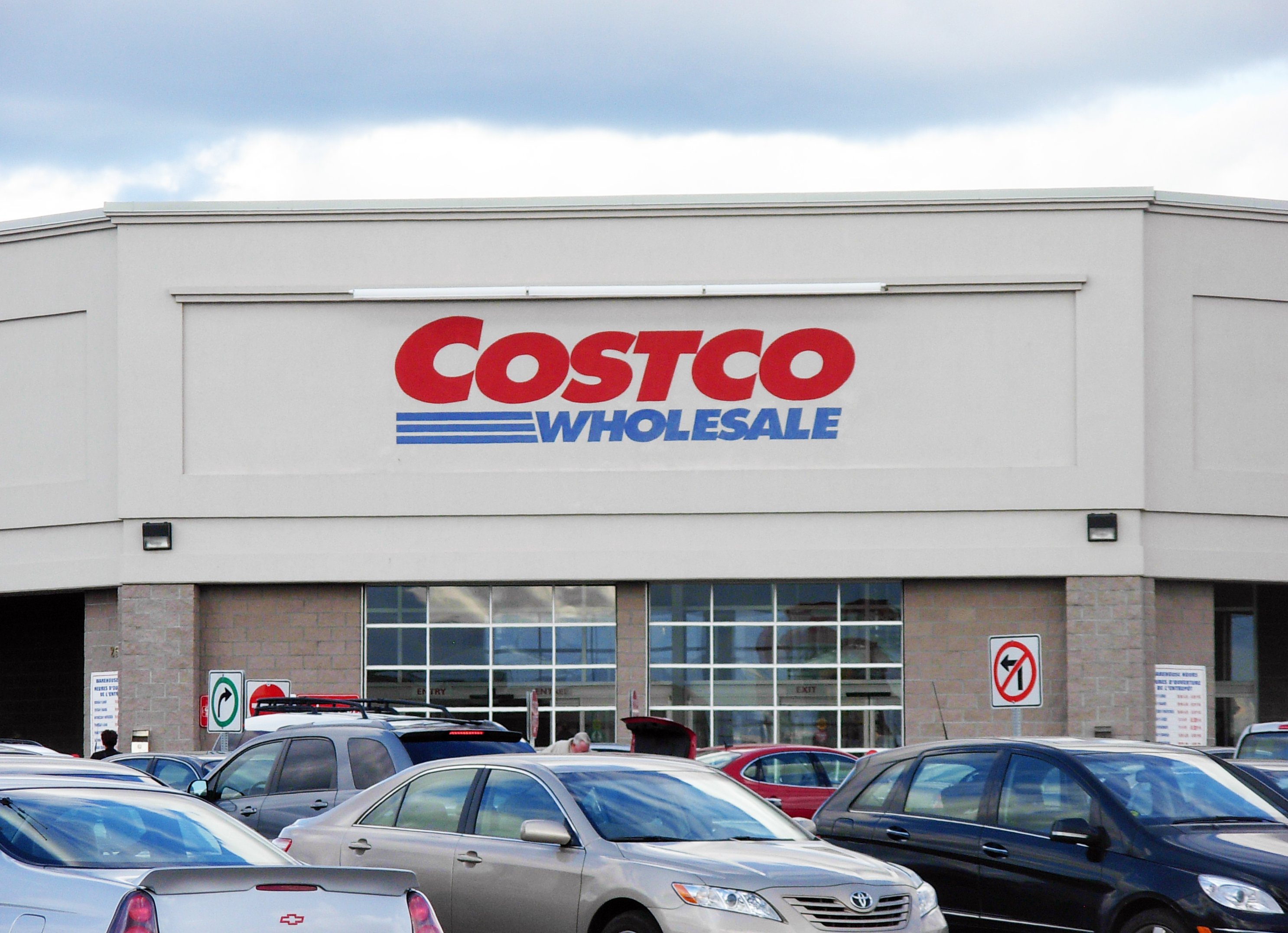
Why doesn't Israel have a Costco?


Israel maintains a very European lifestyle. There are markets to buy fruits, butchers for meat, and grocery stores for staples. Tel Aviv even has a store for only eggs and honey. Not all of Israel is like this. There definitively are places where people have yards with grass, SUV’s, big fridges, and even bigger homes. In Tel Aviv there simply doesn’t seem like there is room for a Costco.
The average Costco shopper, in the US, has a higher level of income than I would have guessed. I have read two separate reports that said these upper middle class shoppers have an average income of over $72,000 - $100,000 a year. If we assume that the Israeli market would also attract these higher income buyers, those who have the trunk and closet space to store all of their purchases, it becomes realistic to have a Costco. Why not bring this warehouse giant to a country that loves a good bargain?
I was on my way down south when the people I was driving with took me to a supermarket in Ber Sheva. I was in love. It looked like a Costco. Everything was big, in bulk, and cheap. The Israeli’s were shocked, who wouldn’t be. In most cities all you see are the little makolets (general stores) and grocery stores called “Super Something”.
I understand not taking up valuable real-estate in the country’s center with a Costco Warehouse, but why not the North or South? Heck, if people are willing to rent a car to drive to Ikea, and assemble DIY furniture, why not drive out to buy 100 of something at a 14% markup?